Review: Independence Day July 4 26 March Holiday Design
As a designer who spends more time at the hoop than away from it, I approach new design assets with a critical eye. It is not enough for a graphic to look good on a screen; it must translate perfectly into thread. Today, I am evaluating the Independence Day July 4 26 March Holiday file. At first glance, this piece presents itself as a vibrant celebration of patriotism, but my job is to determine if it holds up under the needle for real-world commercial embroidery projects.
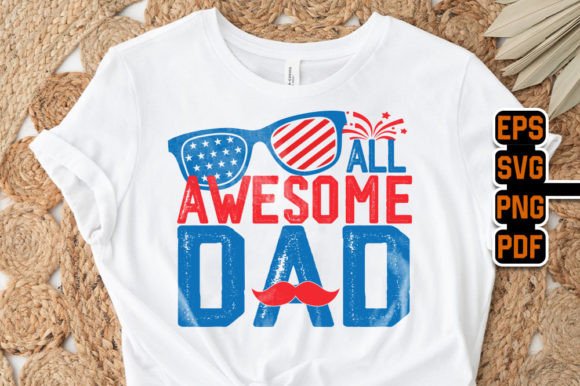
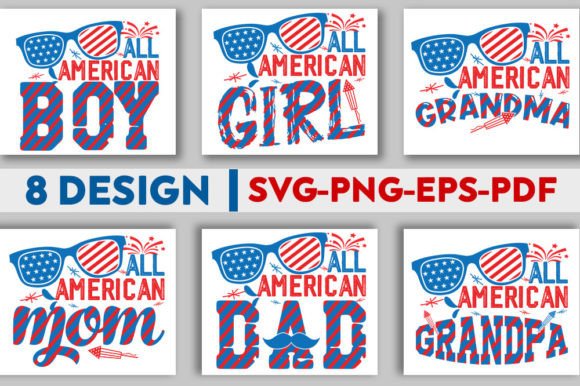
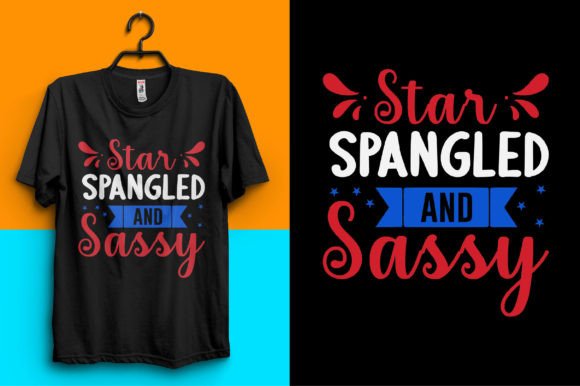
The initial impression of this Graphics package is one of bold energy. The layout suggests a classic Americana vibe, likely utilizing strong geometric shapes and celebratory typography. For those of us creating holiday embroidery items, the mood is exactly what customers expect in late spring and early summer. However, because the product description highlights that this is a "Vector" and "Printable Sublimation Design" with "100 editable file" options, we need to pause and consider the workflow. If you are an embroiderer, you are likely looking at this as a source for digitizing or as a reference for a custom machine embroidery design. The claim of "100 color changeable" implies high flexibility, which is excellent for matching specific client brand colors or thread palettes.
Real-World Application: The Boutique Tote Scenario
To truly test the viability of Independence Day July 4 26 March Holiday, I imagined a specific client request. A local boutique owner wants a limited run of canvas tote bags for a Fourth of July street fair. She needs something that pops against natural cotton but doesn't look cheap. This is where the design's potential shines. If digitized correctly, the bold elements of this graphic would work beautifully as a large back-panel feature on a tote bag design.
In this scenario, the "color changeable" aspect mentioned in the files becomes crucial. While the default might be red, white, and blue, a savvy Etsy seller could adapt the hues to match a specific shop's branding while keeping the patriotic theme. The visual personality of the design feels robust enough to handle the texture of canvas. However, since the source files are listed as AI (Adobe Illustrator) and vector-based, remember that you cannot load these directly into your embroidery machine. You will need to use them as a template to create your own embroidery file, ensuring you apply the correct stitch density and underlay for the fabric you choose.
Performance on Custom Apparel and Textures
Moving beyond totes, let's discuss custom apparel. This design seems tailor-made for sweatshirt embroidery. The thick lines and celebratory nature of the Independence Day July 4 26 March Holiday graphic would sit well on fleece or French terry. When working with these heavier fabrics, the stability of the design is key. A design with too many tiny details can get lost in the nap of a sweatshirt, but this graphic appears to have the substance required for a clean finished product.
For baby embroidery, caution is advised. While the theme is family-friendly, you must evaluate the scale. If the original vector contains intricate small lettering or tight corners, these may need simplification before stitching onto delicate knits. Babies move, and their clothes undergo frequent washing. A dense fill stitch area that looks great on a adult hoodie might feel stiff and uncomfortable on a onesie. Always consider the hand-feel of the final item. If you plan to sell these as personalized gift items, comfort is just as important as aesthetics.
Navigating Technical Challenges
No design is without its challenges, and here is where your expertise as a decorator comes in. If you are adapting this vector for a curved surface like a cap, you must be wary of distortion. The Independence Day July 4 26 March Holiday layout needs to be centered perfectly, and push-pull compensation must be applied during digitizing to prevent the design from warping on the front panel of a hat.
Furthermore, consider the thread colors. Patriotic designs often rely on high-contrast reds and blues. On dark fabrics, you will need a solid white underlay to ensure the colors remain vibrant. On thin or stretchy fabrics, a heavy stabilizer is non-negotiable. Without proper backing, the weight of the stitches could cause the garment to pucker, ruining the professional look of your small shop product. Since the source material is a vector intended for sublimation, it does not come with pre-defined stitch types like satin stitch or running stitch. You have full control, but also full responsibility, to define these parameters based on the specific fabric texture you are using.
Commercial Value and Brand Consistency
For craft business owners, consistency is currency. Using a versatile design like Independence Day July 4 26 March Holiday allows you to create a cohesive collection. You can offer matching sets: a tee for dad, a tote for mom, and a patch for the kids' jeans. This cross-selling strategy increases the perceived value of your handmade product line.
The fact that the files are editable means you can create unique variations. Perhaps you create a version with a applique design technique for a textured look, or a simplified outline version for a minimalist aesthetic. This flexibility helps you stand out in a crowded marketplace. When customers see a well-executed design that fits their style, it builds trust. They aren't just buying a shirt; they are buying a piece of art that was thoughtfully applied.
Essential Designer Notes Before You Stitch
Before you commit to a production run, here are my practical recommendations for working with this asset:
- Digitize from Scratch: Since the provided files are vectors (AI) and sublimation-ready, do not attempt to auto-digitize them without review. Manually set your stitch paths to ensure flow and minimize jumps.
- Test on Scrap: Always stitch a sample on the exact fabric you intend to sell. Check how the stitch density affects the drape of the material.
- Check Licensing: The description mentions "commercial embroidery projects" implicitly by targeting creators, but always verify the specific license terms regarding resale of the digital file versus the physical item.
- Mockup Verification: Use the vector to create printable mockup images for your online listings before you even stitch the first item. This saves time and helps gauge customer interest.
- Contrast Check: View your digitized version in black and white. If the details disappear in grayscale, your contrast is too low, and the design will lack definition when stitched.
In conclusion, Independence Day July 4 26 March Holiday offers a solid foundation for seasonal T-Shirt Designs and broader apparel decoration. Its strength lies in its editability and bold thematic presence. However, its success depends entirely on your skill in translating those vector lines into quality stitches. With careful attention to stabilizer, fabric choice, and digitizing technique, this graphic can become a staple in your summer inventory, delighting customers with high-quality, festive gear.