Review: 4th of July All Awesome Dad Design for Embroidery
As a designer who spends most of my day staring at screens and threading needles, I approach every new digital embroidery file with a mix of excitement and skepticism. We all know the feeling: a graphic looks fantastic on a product mockup, but will it actually survive the transition to fabric? Today, I am taking a close look at the 4th of July- All Awesome Dad Design. This isn't just about whether it looks cute; it is about whether it holds up as a viable asset for a craft business or a heartfelt personalized gift.
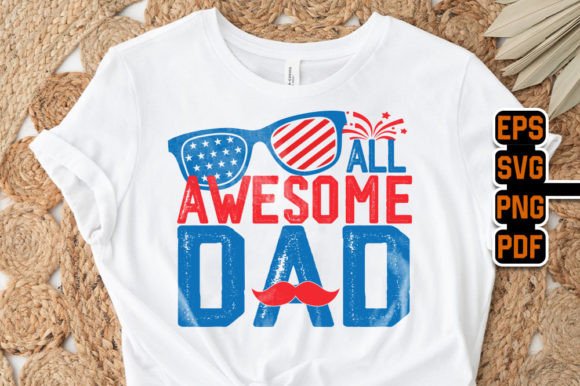
The first thing that strikes me about this design is its bold, celebratory mood. It captures the essence of Independence Day without relying on the same tired clichés we see every year. The typography suggests a strong, confident voice, perfect for the "Awesome Dad" title. Visually, it feels like a statement piece. However, since the product description specifies this as a high-resolution PNG (4500×5400 at 300 DPI) intended for printing on T-shirts, banners, and mugs, we need to have a serious conversation about how to adapt this Graphics asset for machine embroidery.
Adapting Print Graphics for Stitched Reality
If you are an Etsy seller or a boutique owner looking to expand your holiday catalog, you might be tempted to digitize this image yourself or send it to a digitizer to create a custom machine embroidery design. The clean lines and clear text hierarchy in the original file make it a strong candidate for conversion. When I visualize this as an embroidery project, I see it working beautifully as a chest logo on a navy blue polo or a large back print on a commemorative sweatshirt.
The layout is straightforward, which is a double-edged sword. On one hand, simple shapes translate well to satin stitch and fill stitch techniques. On the other hand, the effectiveness of the final finished product depends entirely on how the digitizer handles the lettering. If you are planning to use this for a tote bag design or an apron, ensure that the "All Awesome Dad" text is thick enough to prevent thread breaks and maintain readability. Tiny serifs or intricate details often get lost when converted from a print-ready PNG to stitches, so simplification might be necessary.
Real-World Application: The Holiday Gift Scenario
Let's put this into a real-life context. Imagine a customer comes to your small shop product line asking for a unique Father's Day or 4th of July gift. They want something better than a mass-produced shirt from a big box store. You decide to use the concept behind the 4th of July- All Awesome Dad Design to create a custom embroidered patch or a direct-to-garment hybrid.
In this scenario, the design shines on structured fabrics. Picture it stitched onto a heavy cotton canvas tote or a twill cap. The patriotic theme resonates immediately, creating an emotional connection for the buyer. For a baby embroidery project, perhaps a onesie for a newborn celebrating their first July 4th, the design would need to be scaled down significantly. Here, you must be cautious. The density of the original graphic might be too heavy for delicate baby skin. You would need to adjust the stitch density and perhaps use softer thread colors to keep it comfortable while maintaining the visual impact.
For custom apparel like hoodies or fleece jackets, this design offers excellent coverage. A large fill area can hide the texture of fuzzy fabrics better than thin running stitches. If you are creating an embroidered patch to sell as a standalone item, this graphic provides a solid foundation. Patches are trending, and a well-executed patriotic patch can become a best-seller for your handmade product lineup.
Technical Considerations and Fabric Choices
While the potential is high, there are technical hurdles to clear before stitching begins. Since the source file is a PNG meant for printing, it does not come with inherent stitch data. You cannot load this directly into your embroidery machine. You must verify if you have the rights and skills to digitize it, or if you need to purchase a separate embroidery-specific version if available from the creator.
Once you have a valid embroidery file, fabric choice becomes critical. This design features bold text and likely solid color blocks. On stretchy fabrics like jersey knits, you absolutely must use a high-quality cut-away stabilizer. Without it, the weight of the stitches will distort the garment over time, ruining the crisp lines of the "Awesome Dad" message. For woven fabrics like linen tea towels or denim, a tear-away stabilizer might suffice, but always test on scrap fabric first.
Be mindful of hoop size limitations. If you intend to place this on a curved surface like a baseball cap, ensure the design fits within a standard cap frame. Curved surfaces can cause registration issues with large, dense designs. Additionally, consider the thread colors. The original graphic likely uses red, white, and blue. Ensure you have high-sheen rayon or durable polyester threads that match these hues accurately. A dull red can make a festive design look muddy.
Maximizing Value for Your Craft Business
From a business perspective, the 4th of July- All Awesome Dad Design has strong commercial potential if executed correctly. Customers value professionalism. A sloppy stitch job on a great design hurts your brand reputation. Conversely, a perfectly digitized version of this graphic on a premium blank can command a higher price point. It elevates a simple t-shirt into a keepsake.
When listing this as a printable mockup or a physical item on your store, clarity is key. Show the design on various backgrounds—light and dark—to demonstrate versatility. If you are selling the digital asset itself, be transparent that it is a print-ready graphic and not an embroidery file, unless you have created the stitch data yourself. Misleading buyers about file types leads to refunds and negative reviews.
Also, think about the longevity of the product. Will this design hold up after frequent washing? Dense fill stitches can sometimes become stiff or crack if the underlay is poor. Advise your customers on proper care, or better yet, ensure your production process accounts for durability. This builds customer trust and encourages repeat business.
Final Verdict and Designer Notes
The 4th of July- All Awesome Dad Design is a solid contender for your holiday collection. Its strength lies in its clear messaging and versatile layout. However, its success depends entirely on the execution. Do not assume a print file equals an embroidery file. Take the time to digitize it properly or source the correct format.
- Test First: Always stitch out a sample on the actual fabric you plan to sell. Check for puckering and thread breaks.
- Check Licensing: Before selling finished items or digital derivatives, confirm the license terms provided with the zip file. Commercial use rights vary.
- Simplify Details: If digitizing, reduce small details that won't stitch well. Focus on bold shapes and legible text.
- Contrast Matters: Ensure the thread colors pop against the fabric. Test black and white versions to check contrast levels.
- Stabilizer Selection: Match your stabilizer to the fabric weight. Heavy designs need heavy support.
In conclusion, this design offers a fantastic opportunity for creative entrepreneurs to tap into the patriotic market. With careful attention to technical details and a focus on quality production, the 4th of July- All Awesome Dad Design can be the centerpiece of a successful seasonal launch. Whether it ends up on a backyard BBQ apron or a limited edition tee, it has the power to make dads feel celebrated and your brand look professional.