The Key to a Successful New 53
As an embroidery designer and product reviewer, I’ve evaluated countless digital files for real-world use. The Key to a Successful New 53 stands out as a design that blends sentiment with practicality. It’s a piece that feels personal, yet versatile enough for a range of applications—from custom apparel to handmade gifts. But how does it hold up in actual embroidery projects? Let’s break it down.
A First Impression: Mood, Layout, and Visual Personality
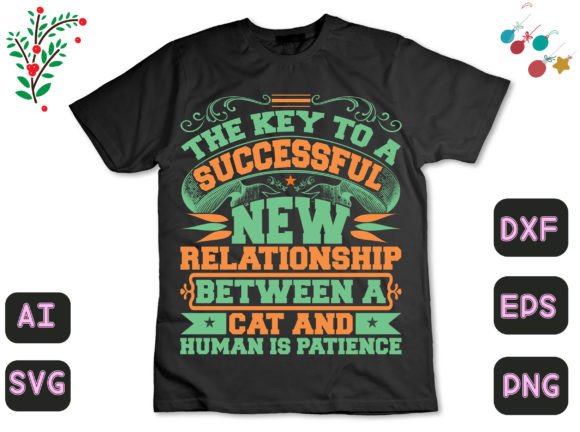
The Key to a Successful New 53 immediately conveys a sense of warmth and intention. The theme—centered around patience and the bond between a cat and human—feels relatable, especially for pet lovers or those who appreciate subtle humor. The layout is clean, with a central image that’s balanced but not overwhelming. The design uses a mix of line work and simple fill elements, which gives it a soft, approachable feel. It’s not overly intricate, but it has enough detail to make it visually interesting without being complicated.
This design would naturally fit into a T-Shirt Design category, particularly for casual wear or personalized gifts. Its simplicity makes it adaptable for different fabric types and sizes, though its effectiveness depends on how it’s executed in embroidery.
Real-World Embroidery Performance
When considering The Key to a Successful New 53 for real-life embroidery, several factors come into play. The design works well on standard apparel like t-shirts, sweatshirts, and tote bags. It’s also suitable for embroidered patches, baby items, and holiday-themed gifts. However, its performance can vary depending on the project type and fabric choice.
For custom apparel, The Key to a Successful New 53 holds up nicely. The stitch density is moderate, making it ideal for medium-sized hoops. If you’re working on a larger project, like a sweatshirt or a pillow cover, you may need to adjust the hoop size or split the design into sections. The design’s structure allows for easy adaptation, whether you’re using a machine embroidery design or creating a printable mockup.
One thing to note is that this design isn’t suited for very small hoop sizes. The details, while not overly complex, require enough space to maintain clarity. If you’re planning to use it on a cap or a hat, you’ll need to ensure the design is scaled appropriately and that the stitch density doesn’t become too tight.
Where to Use It Carefully
The Key to a Successful New 53 is best avoided on textured fabrics, thin materials, or stretchy garments. These can cause the stitches to distort or look uneven. Dark fabrics may also require careful thread color selection to ensure the design stands out. For instance, if you’re using a light-colored thread on a dark background, the contrast might be too subtle, reducing the visual impact of the design.
Additionally, the design isn’t ideal for layered garments or curved surfaces where the stitching might pull or shift. If you’re planning to use it on a baby item or a delicate fabric, consider testing it on scrap material first. Small details, like the edges of the key or the cat’s features, may need extra attention to prevent them from becoming blurred during the stitching process.
Impact on Visual Appeal and Product Value
The Key to a Successful New 53 adds a unique touch to any finished product. Its design is eye-catching but not over-the-top, making it a great choice for handmade products that aim to stand out without being flashy. When stitched correctly, it enhances the visual appeal of a t-shirt, tote bag, or apron, giving it a professional and thoughtful look.
From a business perspective, this design could be a strong asset for Etsy sellers or small shop owners looking to offer personalized gifts. It’s versatile enough to be used across multiple product lines, from holiday-themed items to everyday wear. Its emotional resonance also makes it a good candidate for gift-giving, increasing the likelihood of customer satisfaction and repeat purchases.
However, the design’s success ultimately depends on how well it’s executed. Poorly stitched details or mismatched thread colors can diminish its impact. That’s why it’s important to test the design on different fabrics and settings before finalizing a project.
Practical Designer Notes
Before using The Key to a Successful New 53 in your next embroidery project, here are a few tips to keep in mind:
- Test on scrap fabric to see how the design looks in different conditions.
- Check thread color contrast against your chosen fabric to ensure visibility.
- Review stitch density to avoid issues with fabric distortion or poor coverage.
- Confirm hoop size based on your machine’s capabilities and the design’s scale.
- Inspect small details like corners and lettering for clarity.
- Test in black and white mockups to evaluate how the design appears on various backgrounds.
- Use proper stabilizer for delicate or stretchy fabrics to maintain stitch integrity.
- Verify licensing before selling finished items or digital products.
These steps help ensure that The Key to a Successful New 53 translates well into a high-quality, professional-looking finished product—whether it’s for a client, a craft fair, or an online store.
Final Thoughts: A Design Worth Considering
The Key to a Successful New 53 is a thoughtful, adaptable design that can work well in a variety of embroidery projects. Its balance of simplicity and personality makes it a solid choice for custom apparel, personalized gifts, and small business merchandise. While it has some limitations when it comes to certain fabrics or project types, it remains a valuable addition to any designer’s library of graphics.
If you’re looking for a design that can be used in both personal and commercial settings, The Key to a Successful New 53 is worth exploring. Just remember to test it thoroughly and tailor it to your specific needs. With the right approach, it can become a standout element in your next embroidery project.