Review: Planner Sticker, To-Do List & Goal Bundle for Embroidery
As a designer who spends more time staring at stitch simulations than most people care to admit, I approach every new digital embroidery file with a mix of curiosity and skepticism. When I first opened the Planner Sticker, to-do List, Notes, Goal bundle, my initial reaction was that these graphics felt distinctly modern and clean. However, translating a digital planner aesthetic—typically designed for crisp screens and flat prints—into a tactile machine embroidery design requires a different kind of scrutiny. This isn't just about slapping a logo on a shirt; it is about understanding how lines, shapes, and negative space behave when pulled by thread.
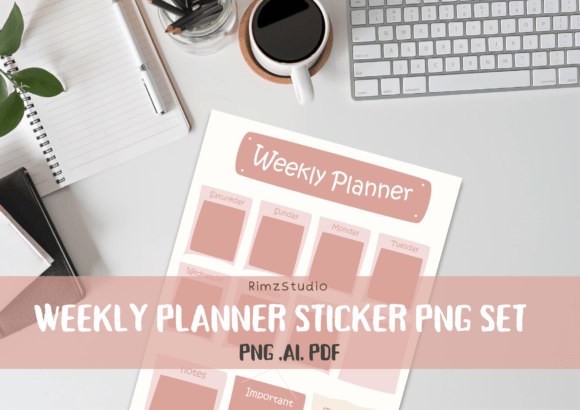
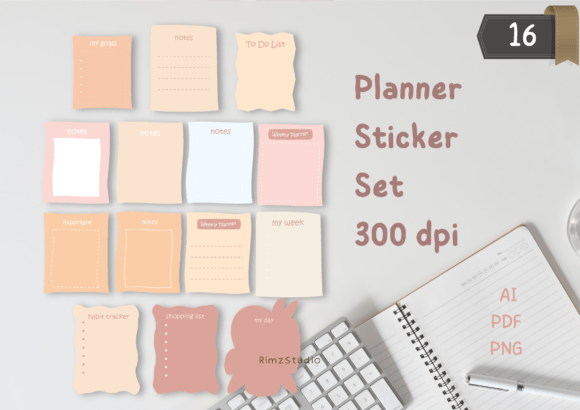
The visual personality of this collection leans heavily into organization and motivation. The shapes are generally geometric yet soft, mimicking the look of hand-drawn sticky notes or checklist items. For an embroidery project, this suggests a mood that is both productive and cozy. It feels right at home in a boutique setting where customers are looking for items that inspire them to get their lives together. Whether you are an Etsy seller looking to expand your holiday embroidery lineup or a hobbyist making personalized gifts, the theme here is universally appealing. The layout of the individual elements suggests they were meant to be mixed and matched, which is excellent for creating custom compositions rather than using a single static image.
Real-World Application: From Screen to Stitch
To truly test the viability of the Planner Sticker, to-do List, Notes, Goal set, I imagined a specific real-life scenario: creating a line of custom tote bags for a local co-working space. These bags needed to be functional but also serve as a marketing tool for the brand's focus on productivity. In this context, the "To-Do List" element from the bundle stood out immediately. On a canvas tote bag design, a stitched checklist offers a unique interactive element. Users could theoretically use a fabric marker to check off items, or the embroidery itself could serve as a permanent reminder of goals.
The transition from Print Templates to thread is where the magic—and the challenge—happens. While the source files allow for editing, which is a massive plus for customization, the embroidery version demands attention to stitch density. In a real-world application like a heavy cotton sweatshirt or a structured cap, these designs would likely perform best as an applique design or with a combination of satin stitch borders and light fill stitch centers. If attempted purely with dense fill stitches on a thin fabric, the material might pucker, ruining the clean lines that make these graphics so effective. For a small shop product, maintaining that crispness is essential for perceived value.
I also considered how these would look on a nursery item, perhaps a baby bib or a onesie. The "Goal" and "Notes" motifs could be adapted for a "Baby's First Goals" keepsake. Here, the scale becomes critical. The delicate nature of baby embroidery means that tiny details found in the original Graphics might need to be simplified. A running stitch outline might be preferable to a thick satin column to keep the garment soft against sensitive skin. The versatility of the bundle allows for this kind of adaptation, provided the digitizer or user adjusts the parameters correctly before hitting start.
Navigating Fabric Textures and Hoop Limitations
One of the most significant hurdles when using planner-style graphics in embroidery is the reliance on straight lines and sharp corners. On textured fabrics like terry cloth towels or fuzzy fleece blankets, fine details can get lost. If you are planning to use the Planner Sticker, to-do List, Notes, Goal elements on a textured fabric, I strongly advise increasing the stitch length slightly and avoiding overly intricate inner details. The contrast between the thread colors and the fabric texture must be high; a light gray thread on a heather gray sweatshirt will render the design invisible and unprofessional.
Furthermore, hoop size constraints are a reality for many home-based craft business owners. Some of the checklist elements in this bundle might be wide. If you are working with a standard 4x4 hoop, you may need to break the design into sections or select only the smaller icon elements, such as the individual note shapes or checkbox symbols. Curved surfaces present another challenge. Applying these flat, rectangular-inspired designs to a baseball cap requires careful placement. The center of the cap is the safest bet, but the curvature can distort the perception of straight lines. A test run on a scrap piece of the actual cap material is non-negotiable here.
Dark fabrics offer a dramatic backdrop for these designs, but they require a solid underlay to prevent the fabric grain from showing through the lighter threads. Without proper stabilization, the "clean" look of the planner aesthetic turns into a messy, uneven finish. Using a cut-away stabilizer is often safer than tear-away for these types of designs, especially if the finished product is intended for frequent washing, like a kitchen towel or an apron.
Enhancing Brand Value and Customer Trust
Ultimately, the success of using the Planner Sticker, to-do List, Notes, Goal bundle in a commercial setting comes down to presentation. Customers today are savvy; they can tell the difference between a lazy print transfer and a thoughtful embroidered patch or direct stitch. When executed well, these designs elevate a simple item into a handmade product that feels premium. For an Etsy seller, listing a "Custom Goal Setter Sweatshirt" featuring these embroidered motifs commands a higher price point than a plain garment.
The ability to edit the source file mentioned in the product description is a powerful tool for brand consistency. If you have a specific color palette for your boutique, you can match the thread colors exactly, ensuring that every custom apparel item aligns with your brand identity. This level of detail builds customer trust. It shows that you care about the specifics, not just the general idea. Whether it is a wedding gift featuring a custom checklist for the couple or a holiday embroidery project for family members, the personalization potential is vast.
However, a word of caution regarding licensing and technical specs: while the product mentions editable source files, it does not explicitly state the stitch count, specific file formats (like PES, DST, EXP), or exact commercial license terms for the embroidery conversion. Before selling these as design assets or incorporating them into goods for sale, you must verify the license agreement. Additionally, always request or generate a proper digital embroidery file optimized for your specific machine. Do not assume a print-ready vector will stitch perfectly without digitizing adjustments.
Final Verdict for the Practical Designer
In conclusion, the Planner Sticker, to-do List, Notes, Goal collection offers a fresh, relevant aesthetic that translates well into the world of embroidery if handled with care. It is not a "load and go" solution for every fabric type, but rather a versatile set of design assets that rewards preparation. By testing on scrap fabric, checking stitch density, and selecting the right hoop size, you can turn these digital concepts into tangible, high-value items. Whether you are creating a printable mockup for your online store or stitching a real personalized gift, this bundle provides the structural simplicity needed for clear, impactful embroidery. Just remember: the devil is in the details, and in embroidery, those details are made of thread.