Husband Dad Farming Legend: A Designer's Field Test
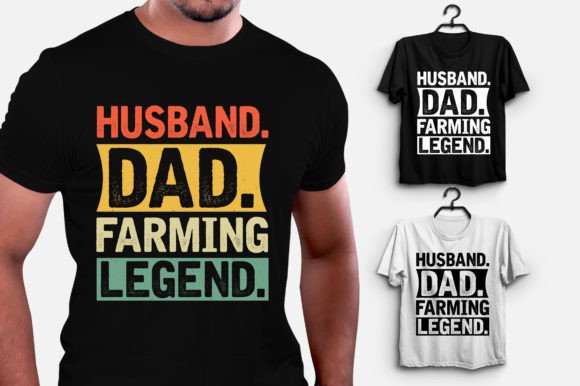
When I first pulled up the Husband Dad Farming Legend file on my screen, I wasn't looking at it as a digital asset; I was immediately visualizing it stitched onto a heavy canvas tote or perhaps the chest of a worn-in flannel shirt. As a designer who spends more time under a magnifying lamp than browsing marketplaces, my first impression is always about translation. How does this graphic move from pixels to thread? The mood here is undeniable—it's rustic, proud, and carries that specific kind of quiet confidence found in people who work the land. It feels less like a trendy slogan and more like a badge of honor, which makes it a incredibly strong candidate for custom apparel and personalized gifts.
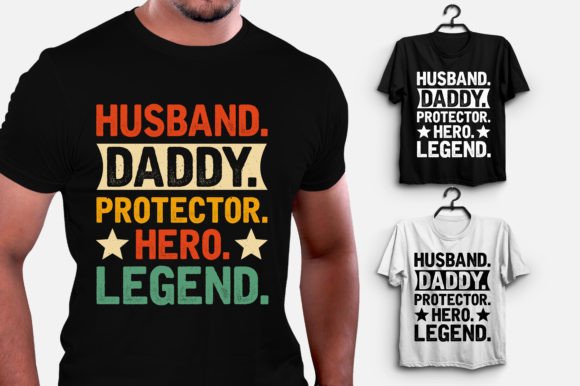
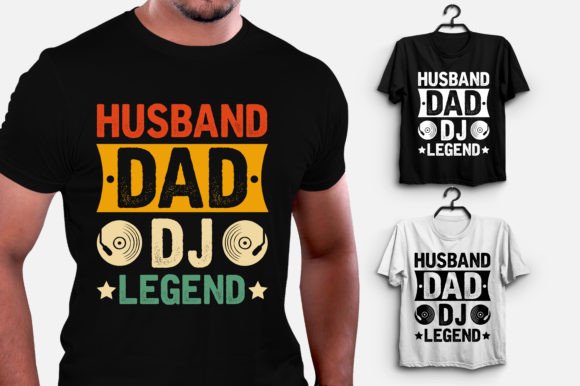
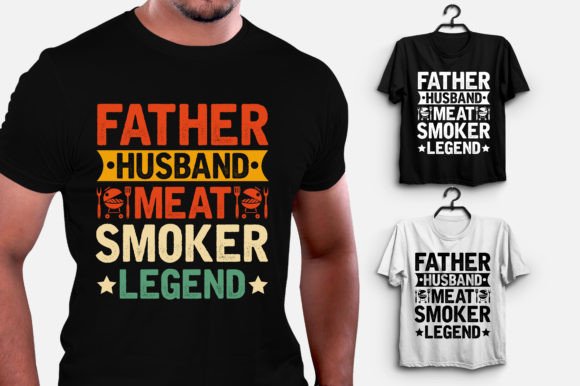
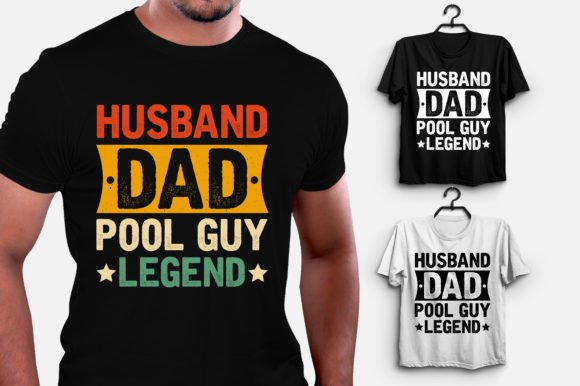
The visual personality of this design is bold. In the context of T-Shirt Designs and Graphics, it relies on strong typography and likely some agricultural iconography to get its point across. For an embroidery project, this is generally good news. Bold lines usually translate well to satin stitches or dense fill stitches without getting lost. However, before I commit to stitching this on a client's premium hoodie, I need to talk about the files provided. The product description lists PNGs, EPS, and SVG files. This is crucial information for us as makers. While these are excellent for print-on-demand or vinyl cutting, they are not native machine embroidery design files like PES or DST.
From Vector to Stitch: The Real-World Application
Let's set a real-life scenario. Imagine a customer comes to your craft business wanting a gift for their father who runs a small organic farm. They want something durable, something that can withstand mud, sun, and weekly washing. You decide to use Husband Dad Farming Legend as the basis for an embroidered patch or a direct stitch on a work shirt. Because you have the EPS and SVG files, you can import this graphic into your digitizing software. This is where the magic happens. You aren't just printing; you are engineering the stitch path.
The layout of this design suggests it would look fantastic on the back yoke of a denim jacket or centered on a kitchen towel. The "Legend" aspect implies a certain stature, so placing it on a sweatshirt embroidery project gives it the weight it deserves. If you are an Etsy seller looking to expand beyond printed tees, offering this as a high-quality embroidered item adds significant value. The tactile nature of thread elevates the perceived quality of the finished product compared to a standard ink print.
However, we must address the elephant in the room: digitizing. Since the provided assets are vector and raster images, you cannot load them directly into your embroidery machine. You must digitize them first. This allows you to control the stitch density. For a farming-themed design, you might want a slightly rougher texture to mimic the rugged lifestyle, perhaps using a mix of fill stitches for the text and running stitches for any outline details. If you are not a digitizer, you will need to convert these design assets or hire someone to do it, ensuring the hoop size fits your intended application.
Navigating Fabric Textures and Challenges
One of the most critical aspects of using a design like Husband Dad Farming Legend is understanding where it shines and where it might struggle. Farming implies work, and work clothes are often made of textured, heavy, or uneven fabrics. If you are stitching this onto a thick canvas tote bag design or a corduroy cap, your needle penetration and thread tension need to be perfect.
There are specific areas where caution is required. If the design includes fine lettering or intricate corners—common in "Legend" style badges—these can become problematic on stretchy fabrics or dark materials if not underlaid correctly. On a dark fabric, you must ensure your thread colors provide enough contrast. The product offers black and white PNGs, which helps you visualize this contrast before you even thread the needle. Always test your thread colors against the fabric swatch first. A black thread on a navy work shirt might disappear, ruining the impact of the design.
Furthermore, consider the stabilizer. For a project that will see heavy use, like an apron or a shop towel, a cut-away stabilizer is non-negotiable. Tear-away might suffice for a decorative pillow cover, but for commercial embroidery meant to last, you need permanence. Curved surfaces, like the front of a baseball cap, present another challenge. The distortion on a curved surface can warp the text, making "Husband" or "Dad" look uneven. In these cases, scaling the design down slightly or adjusting the pull compensation in your digitizing software is essential.
Building Trust Through Quality Execution
Why go through the trouble of embroidering when you could just print? It comes down to brand consistency and customer trust. When a buyer receives a handmade product featuring Husband Dad Farming Legend that is perfectly stitched with clean edges and no puckering, it validates their purchase. It tells them that the creator cares about quality. This is vital for small shop products competing in a saturated market. An embroidered item feels heirloom-quality; it feels like a holiday embroidery gift that will be kept for years, not just a seasonal novelty.
For those creating printable mockups to sell digital versions or preview custom orders, the included T-Shirt Mockup file is a great starting point. However, remember that a mockup is flat and perfect, while embroidery has dimension. When marketing your custom apparel, show close-ups of the actual stitching. Show how the light catches the sheen of the rayon or polyester thread. This transparency builds engagement and sets realistic expectations for your buyers.
Final Verdict and Practical Notes
In conclusion, Husband Dad Farming Legend is a versatile concept with strong emotional resonance. It fits naturally into niches involving family, agriculture, and Father's Day gifting. However, its success relies entirely on your execution as the maker. Before starting any production run or accepting a commission, follow these practical steps:
- Test on Scrap First: Never stitch a final product without running a test on the exact same fabric and stabilizer combination.
- Check Licensing: Since this is sold as a graphic design asset, confirm the license terms regarding commercial use for physical goods versus digital redistribution.
- Digitize with Care: If converting the SVG/EPS to an embroidery file, pay attention to small details and corner sharpness.
- Contrast Check: Use the black and white versions of the PNG to ensure your thread choice pops against the garment color.
- Wash Testing: Products for farmers need to survive the wash. Ensure your stitching holds up after multiple cycles.
Whether you are creating a baby embroidery item for a new dad or a rugged patch for a seasoned pro, this design has the potential to be a standout piece in your portfolio. Treat it with the technical respect it requires, and it will reward you with a beautiful, durable finished product that customers will love.