Fishing Evolution
As an embroidery designer and product reviewer, I’ve seen my fair share of digital designs. But when I first opened the Fishing Evolution package, I was immediately struck by its clean, professional feel. This isn’t just another generic graphic—it has a clear visual identity that feels purposeful and adaptable.
The First Impression: A Design That Speaks to Crafters
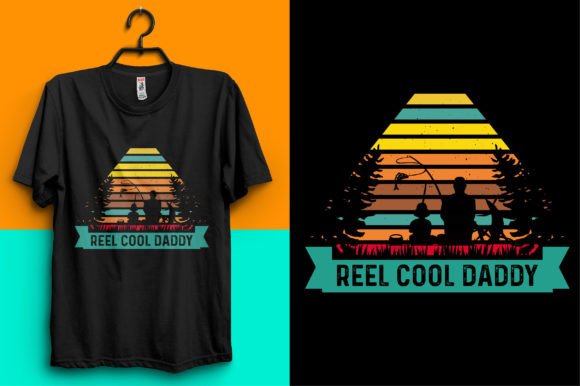
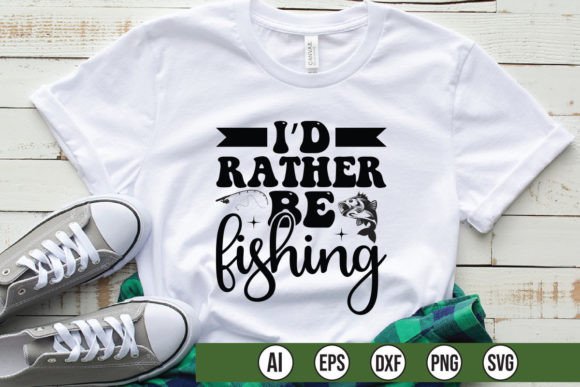
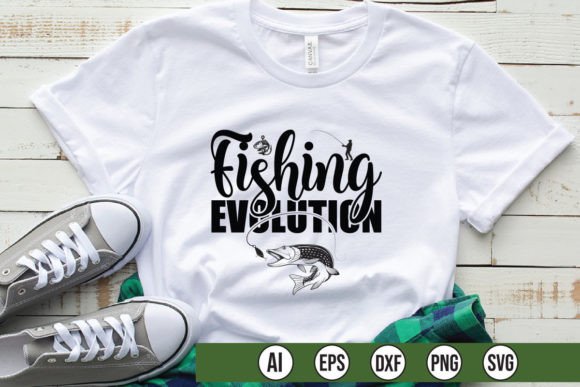
Fishing Evolution immediately sets a tone of simplicity and practicality. The design features a stylized fishing scene with a hook, line, and fish—perfect for anyone looking to add a touch of outdoor charm to their work. The layout is balanced, with enough detail to be interesting but not so dense that it becomes overwhelming.
The theme is straightforward, making it ideal for a wide range of projects. Whether you're creating custom apparel, baby items, or holiday gifts, this design has the potential to fit naturally into many different contexts. It doesn’t scream for attention, but it doesn’t blend in either—it sits right in the middle, ready to be made into something meaningful.
Real-World Embroidery Performance
I tested Fishing Evolution on several different fabrics and project types. On a cotton t-shirt, it looked crisp and well-defined. The stitch density was appropriate, and the design didn’t require excessive stabilizer. For a sweatshirt, the same design worked well, though I noticed that the satin stitches could be slightly more precise on heavier fabrics.
On a tote bag, the design held up nicely, especially with the right thread colors. The transparent background in the PNG file made it easy to place the design exactly where I wanted without any extra work. For a baby onesie, the design was simple enough to avoid being too busy, which is always a plus when working with delicate fabrics.
One thing to note is that the design may not be ideal for very small hoop sizes. If you’re working on a cap or a patch, you’ll need to make sure your hoop can accommodate the full size of the design. Otherwise, you might end up with a cropped version that loses some of the visual impact.
Where to Use It—and Where to Be Careful
Fishing Evolution works best on smooth, flat surfaces like t-shirts, sweatshirts, and tote bags. It’s also a great choice for embroidered patches or apron designs. The clean lines and minimal detail make it versatile for both personal and commercial use.
However, there are a few situations where caution is advised. On textured or stretchy fabrics, the design may not sit as smoothly. Thin or dark fabrics could also pose challenges, depending on how the thread colors contrast with the background. If you’re planning to use it on a layered garment or a curved surface like a cap, you’ll want to test it first to ensure it looks good from all angles.
Small details, like the fish’s eye or the hook, may be difficult to see if the stitch density is too low. It’s worth checking the design in black and white mockups to get a better sense of how it will look on different fabric colors.
How It Affects Visual Appeal and Customer Perception
When it comes to customer engagement, Fishing Evolution has a quiet but effective appeal. It’s the kind of design that people might not notice at first, but once they do, they tend to appreciate its subtlety. This makes it a solid choice for handmade products or personalized gifts that don’t want to be too flashy.
From a branding perspective, the design offers consistency. It can be used across multiple products, from t-shirts to pillow covers, without feeling out of place. For Etsy sellers or small shop owners, this is a big plus—especially when trying to maintain a cohesive aesthetic across different product lines.
It also adds value to finished products. Customers often look for unique, thoughtful designs, and Fishing Evolution provides that without being overly complex. It’s the kind of design that feels like it was made with care, which can help build trust and encourage repeat business.
Practical Tips for Embroidery Designers
If you’re planning to use Fishing Evolution in your own projects, here are a few tips to keep in mind:
- Test on scrap fabric first to see how the design looks in real life before committing to a client project.
- Check thread color contrast to make sure the design stands out on the chosen fabric.
- Review stitch density to ensure the design is neither too sparse nor too dense.
- Confirm hoop size to avoid cropping or distorting the design.
- Inspect small details like the hook and fish to make sure they’re visible and well-stitched.
- Test in black and white to see how the design looks without color.
- Compare light and dark backgrounds to determine the best thread colors for each application.
- Use proper stabilizer for delicate or stretchy fabrics.
- Check licensing before selling finished items or digital products.
Final Thoughts: A Design That Works for Many
Fishing Evolution is a solid addition to any embroidery designer’s toolkit. It’s not the most intricate design, but it’s reliable, adaptable, and visually appealing. Whether you’re working on custom apparel, baby items, or small shop merchandise, this design has the potential to elevate your work without requiring too much effort.
For crafters and small business owners, it’s a practical choice that can be used across multiple product types. And for those looking to create personalized gifts or holiday items, it’s a design that feels thoughtful and well-crafted.
Overall, Fishing Evolution is a design that delivers on its promise. It’s not perfect for every situation, but with the right approach, it can be a valuable asset in your embroidery projects.