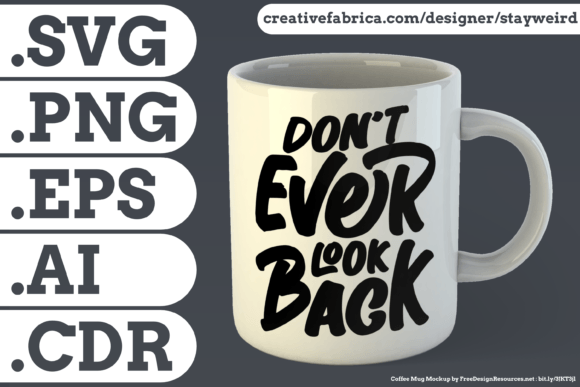
Don't Ever Look Back Quote: A Designer's Review
As a designer who spends more time staring at stitch maps than most people spend looking at their phones, I approach every new machine embroidery design with a mix of optimism and skepticism. We've all been there: you download a file that looks crisp on the screen, only to find it turns into a bird's nest of thread once it hits the fabric. That is why I took a close look at the Don t Ever Look Back Quote before committing it to any client projects or personal handmade products. This isn't just about whether the text is readable; it is about how the sentiment translates into thread, how it sits on various textures, and whether it holds up as a viable asset for a craft business.
First Impressions and Visual Personality
The first thing that strikes me about the Don t Ever Look Back Quote is its bold, forward-moving energy. Typography in embroidery is tricky because letters have to behave like physical objects, not just digital vectors. This design seems to carry a modern, motivational weight that fits perfectly with current trends in custom apparel. The layout suggests a balance between readability and style, which is crucial when you are working with satin stitch or fill stitch elements. If the lettering is too thin, it vanishes on textured fabrics; if it is too dense, it becomes stiff and uncomfortable. From a visual standpoint, this quote feels versatile enough to serve as the centerpiece of a tote bag design or a subtle accent on a sweatshirt embroidery project.
The mood created here is one of resilience. When I imagine this stitched onto a product, I see it appealing to customers who value mindfulness and progress. For an Etsy seller or a small shop owner, this kind of messaging sells because it connects emotionally. However, the real test is never the concept; it is the execution. How does this digital embroidery file handle the transition from a Print Templates graphic to a tangible, threaded reality?
Real-World Application Scenarios
To truly evaluate this design, I imagined a specific scenario: preparing a custom order for a boutique client who wanted a series of motivational items for a wellness retreat. The order included canvas tote bags, heavy cotton hoodies, and structured caps. This is where the Don t Ever Look Back Quote really shines or fails. On a canvas tote, the stability of the fabric allows for excellent definition. The quote would likely pop with high contrast thread colors, perhaps a crisp white on navy or a vibrant gold on black. The stitch density appears suitable for medium-weight fabrics, ensuring the text doesn't sink into the weave.
However, moving to the hoodies introduced a new variable. Sweatshirt embroidery requires careful consideration of the stabilizer. If this design relies heavily on dense fills, it could make the chest area of a hoodie overly rigid. In this case, I would recommend testing a lighter underlay or adjusting the pull compensation if your machine allows, to ensure the fabric drapes naturally. For the caps, the curved surface presents a challenge. If the quote is wide, it might distort over the front panel of a hat. A designer needs to verify the hoop size compatibility immediately. If the design is too wide for a standard cap frame, you might need to scale it down, which risks losing the clarity of smaller details.
Beyond apparel, I can see this working beautifully as a personalized gift. Imagine this quote embroidered on a kitchen towel or a pillow cover for a housewarming present. The "look back" theme pairs ironically well with home decor, suggesting a fresh start in a new space. For holiday embroidery gifts, using metallic threads could elevate the design from a standard craft item to a premium keepsake.
Technical Considerations and Fabric Challenges
While the aesthetic appeal is strong, practical application requires a critical eye toward technical limitations. One major area of concern with quote-based designs is often the spacing between letters and the thickness of the strokes. If the Don t Ever Look Back Quote utilizes very fine lines, it may not survive well on textured fabrics like terrycloth towels or fleece blankets. The loops of the towel can swallow thin running stitches, making the text illegible. In such cases, this design is best reserved for smoother surfaces like twill, denim, or high-thread-count cotton.
Another factor is the behavior of the design on stretchy fabric. T-shirts and jerseys move. If the stitch count is high and the satin columns are wide, the embroidery might crack or pucker after a few washes. It is essential to check if the design includes proper underlay stitching to anchor it to the knit. Furthermore, when working with dark fabric, you must ensure the design accounts for show-through. Sometimes, a white underlay is necessary to make the top colors vibrate, but this adds bulk. A quick test on scrap fabric of similar weight and color is non-negotiable before starting a production run.
We also need to talk about the corners. Motivational quotes often use stylized fonts with sharp angles or sweeping curves. In embroidery, sharp inside corners can be problematic if the digitizing isn't precise, leading to thread bunching. Inspecting the finished product closely for these details will tell you if the embroidery file was professionally optimized or just auto-digitized.
Value for Craft Businesses and Branding
For those running a craft business, the value of a design lies in its ability to generate trust and recognition. A clean, well-executed quote like Don t Ever Look Back Quote enhances brand consistency. If you sell custom apparel, your customers expect professional-grade results. Sloppy stitching or poor density choices can damage your reputation faster than anything else. This design, when executed correctly, signals professionalism. It tells the buyer that you care about the message and the medium.
Moreover, this type of content is highly shareable on social media. A photo of a freshly stitched hoodie with this motivational message makes for a compelling printable mockup or Instagram post. It drives engagement because people connect with the words. As a small shop product, it has the potential to become a bestseller if marketed as part of a "New Beginnings" or "Motivation" collection. It fits seamlessly into categories like baby embroidery (for new parents starting a journey), wedding gifts (for couples looking forward), or general self-care merchandise.
Practical Notes for the Embroiderer
Before you load this into your machine, here is a checklist to ensure success:
- Test First: Always stitch out the design on a scrap piece of the actual fabric you intend to use. This reveals issues with tension and density that screens cannot show.
- Check Contrast: Ensure your thread colors provide enough contrast against the fabric background. Low contrast can make the quote hard to read from a distance.
- Review Density: If the design feels too stiff after stitching, consider reducing the fill density in your editing software if you have the skills, or switch to a lighter stabilizer.
- Verify Licensing: Since this originates from a category of Graphics and Print Templates, confirm the license terms. Can you sell the physical embroidered item? Can you sell the digital file? Never assume; always read the fine print to protect your commercial embroidery ventures.
- Hoop Selection: Match the design dimensions to your available hoops. Don't force a large design into a small hoop by resizing it too much, or you will lose detail integrity.
In conclusion, the Don t Ever Look Back Quote offers a solid foundation for a variety of creative projects. Its strength lies in its universal message and adaptable layout. However, like any applique design or text-based pattern, its success depends entirely on the skill of the operator and the suitability of the materials. By respecting the technical requirements of stitch density, fabric choice, and stabilization, you can transform this digital asset into a high-quality handmade product that resonates with customers. Whether you are creating a single embroidered patch for a friend or rolling out a full line of merchandising, this design has the potential to perform well, provided you approach it with the eyes of a craftsman and the mind of a strategist.