Beer Never Broke My Heart
As an embroidery designer and product reviewer, I’ve seen thousands of designs come and go. But when I first laid eyes on Beer Never Broke My Heart, it immediately caught my attention—not just for its catchy title, but for the visual personality it carries. This is a design that feels like it belongs on a custom t-shirt, a personalized gift, or a handmade item with a story to tell.
The First Impression
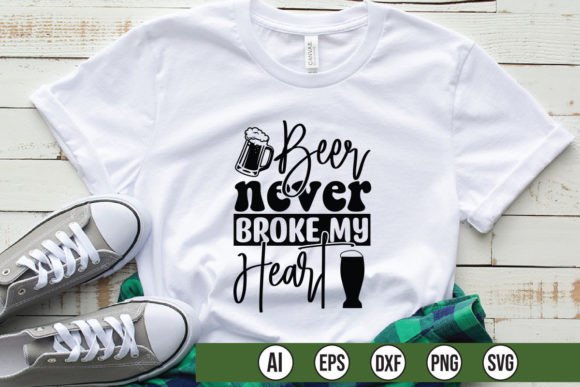
Beer Never Broke My Heart has a laid-back, nostalgic vibe. The layout is clean, with a central graphic that’s bold enough to stand out but not so overwhelming that it drowns out the message. It’s designed with a casual, slightly humorous tone, which makes it perfect for apparel that’s meant to be worn with pride—whether it’s a beer lover’s favorite shirt or a gift for someone who appreciates a good laugh.
The detail level is just right. It doesn’t have intricate patterns that might be hard to stitch, but it does have enough definition to make the design pop once it’s embroidered. The shape is simple yet effective, making it adaptable for different types of projects—from a tote bag to a baby onesie.
Real-Life Embroidery Scenarios
When I think about where Beer Never Broke My Heart would shine, I imagine it on a custom sweatshirt for a craft fair vendor, a personalized apron for a home cook, or even a holiday gift for a friend who loves a good brew. It’s versatile enough to work in both casual and semi-formal settings, depending on how it’s styled.
This design works well on t-shirts, tote bags, and patches. The size and structure make it ideal for medium-sized hoops, which is great for most home embroidery machines. It also lends itself well to applique designs, especially if you want to add a bit of texture or dimension to the finished product.
For small business owners, this could be a solid addition to an Etsy shop or a craft fair booth. The high-resolution files and transparent backgrounds make it easy to create printable mockups, which are essential for showing customers what the final product will look like before they commit to a purchase.
Where to Use With Caution
While Beer Never Broke My Heart is a strong design, there are a few situations where it might not perform as well. If you’re working with very small hoop sizes, you might find that some of the finer details get lost in the stitching. Similarly, if you’re trying to embroider it on a textured or stretchy fabric, the design might not sit as smoothly as it would on a flat, stable material.
Thin or dark fabrics can also be a challenge. The design relies on contrast to stand out, so if the background is too dark or the fabric is too thin, the stitches might not show up as clearly. In those cases, using a proper stabilizer is crucial to ensure the design stays in place and looks professional.
Another thing to consider is the stitch density. If the design is too dense, it might cause puckering or distortion on certain fabrics. That’s why testing it on scrap fabric first is always a good idea. It helps you understand how the design will behave before committing to a final project.
Impact on Visual Appeal and Customer Trust
One of the things I appreciate most about Beer Never Broke My Heart is how it balances simplicity with character. It’s not overly complicated, but it still has enough detail to feel unique. This kind of design is great for handmade products because it allows for personalization without requiring too much technical skill.
From a customer perspective, this design has a strong emotional appeal. It’s something that people can relate to, whether they’re a beer enthusiast or just looking for a fun, conversation-starting piece of apparel. That kind of connection can make a big difference in buyer engagement and repeat purchases.
For commercial embroidery projects, this design is a safe bet. It’s clear, professional, and ready to be used across a variety of products. Whether you’re creating a batch of custom t-shirts for a local event or designing a line of boutique merchandise, Beer Never Broke My Heart offers consistency and reliability.
Practical Designer Notes
If you’re planning to use Beer Never Broke My Heart in your next project, here are a few tips to keep in mind:
- Test the design on scrap fabric before starting on your final piece. This helps you see how the stitches will look and whether any adjustments are needed.
- Check thread color contrast. If you’re using a light-colored thread on a dark fabric, make sure the design is still visible and doesn’t fade into the background.
- Review the stitch density. If the design is too dense, consider adjusting the settings or using a different type of stitch, like a running stitch, to prevent puckering.
- Confirm the hoop size. If your machine has limitations, you may need to break the design into sections or adjust the layout accordingly.
- Inspect small details. Even though the design is simple, some elements might require extra care to ensure they come out cleanly and clearly.
- Test it in black and white mockups. This helps you see how the design looks without color, which is useful for printing or digital previews.
- Compare it on light and dark fabric backgrounds. This ensures the design is versatile and can be used across different projects.
- Use the right stabilizer. Depending on the fabric you're using, a good stabilizer can make all the difference in how the design turns out.
- Check licensing before selling finished items or digital products. Make sure you have the rights to use the design commercially if needed.
Final Thoughts
Beer Never Broke My Heart is a design that feels authentic and approachable. It’s not flashy, but it’s thoughtful—perfect for anyone looking to create meaningful, wearable art. Whether you’re a hobbyist, a small business owner, or a creative entrepreneur, this design has the potential to become a staple in your collection of embroidery files.
With the right preparation and attention to detail, Beer Never Broke My Heart can be a valuable asset in your craft business, a great gift for friends and family, or a standout piece in your personal wardrobe. Just remember to test it, adapt it, and make it your own. After all, that’s what real embroidery is all about.